KRTV Studios: Producing the Underground
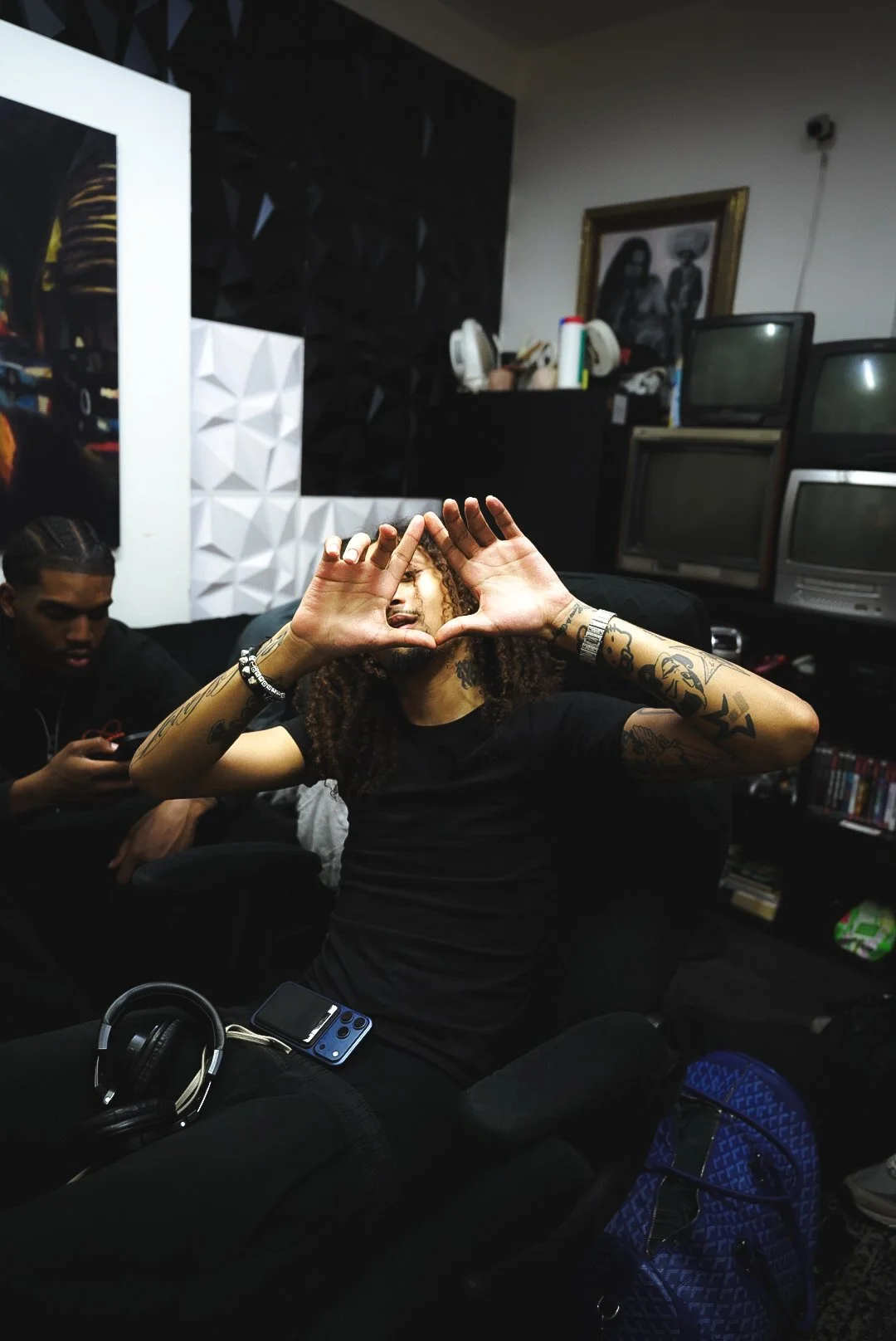
by Max Pociask. Image above by Rodolfo Sial.
In an unmarked industrial building, tucked between the shuddered warehouses of East Williamsburg, a group of teenagers are reshaping the face of underground hiphop. And producing the occasional platinum record.
The walk to KRTV Studios is bleak. This is a part of town where food trucks sleep, not sell anything. You might come across the graffiti-covered pre-roll truck, though, and that one is always open. It’s not a pretty part of town. But starting at $20 an hour (and decreasing as you book hours in bulk), the maze of recording hallways at 75 Stewart Ave has become a beacon for hard-working musicians pushing the sonic needle in New York City.
The state of the music industry, as any working musician will tell you, is financially bleak. Streaming payouts are low, record labels take well over half of an artists’ revenue, and as of March 9th, Live Nation Entertainment will remain a predatory monopoly in control of ticket services for 78% of major venues in the United States. When only the biggest, commercial artists can afford to navigate a monopolized industry, musical innovation naturally falls to the scrappy, the do-it-yourself, the underground.
I was invited to KRTV on a cloudy day in February, after the year’s first snowstorm solidified into muddy boulders in the street gutter. Desmos, the producer who brought me in for a session, first got my attention with KRTV’s shockingly low rates. $250 for 30 hours? That cannot be sustainable, I thought. But it turns out, affordable rates and accessible rooms makes for an enduring list of notable clients. Nino Andretti, Osamason, xaviersobased, Kuru, the list goes on. Rumor has it that ian (of “Magic Johnson” fame) spent time here with his producers, days before he became a platinum artist co-signed by Lil Yachty.
Rudy, the 30 year old owner-operator of KRTV studios, has a clear model for success. “My model is community.”
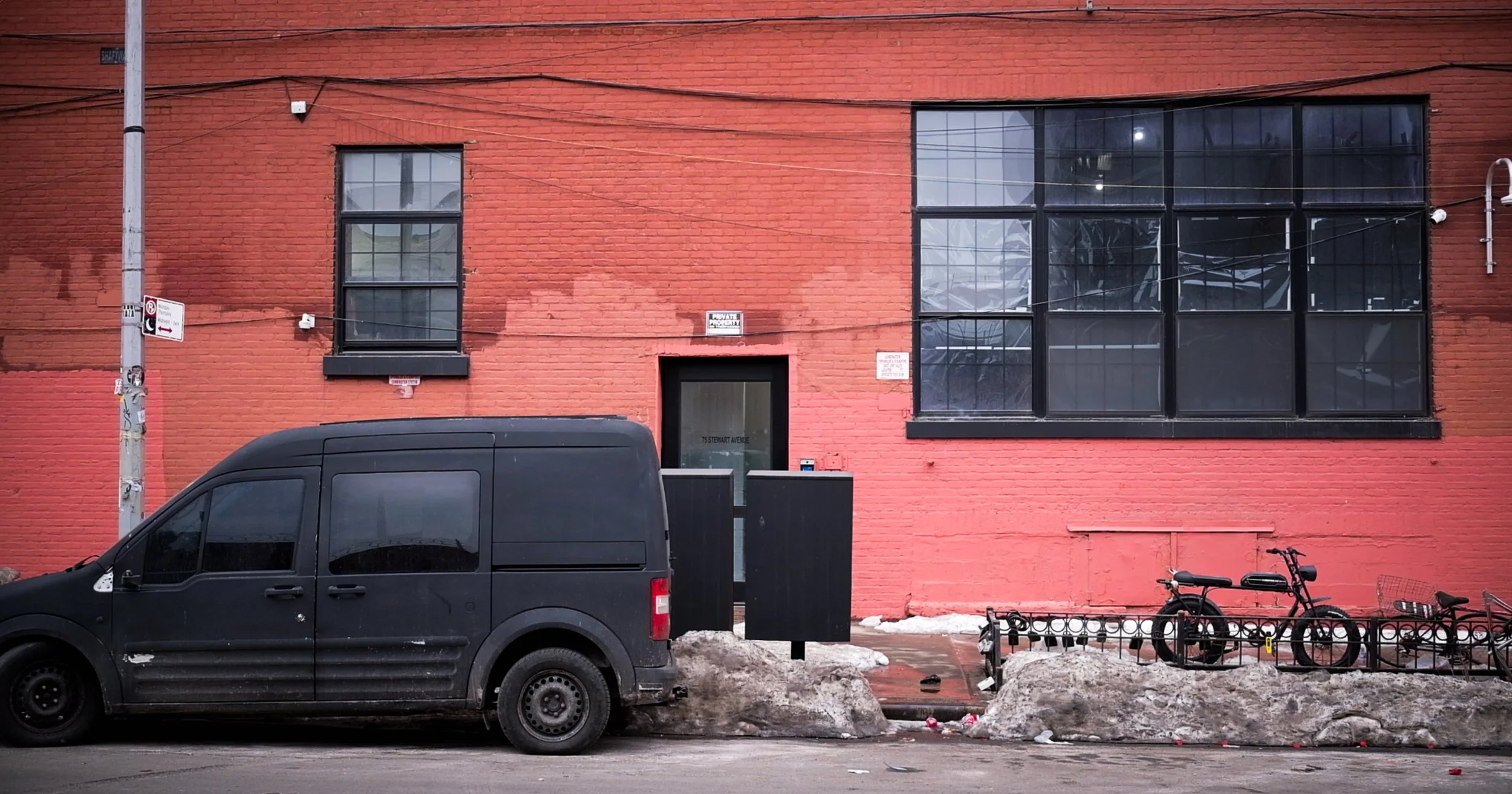
The outside of KRTV’s Brooklyn location.
Coming up in Jersey, he recognized the lack of opportunities for underground artists to perform live, and started booking shows in his first studio. Since transitioning to the NYC location, Rudy continues to host free events to studio patrons under the KRTV Live Sessions banner. Most recently, they featured Jesenia and eleven. You can watch the clips on instagram here.
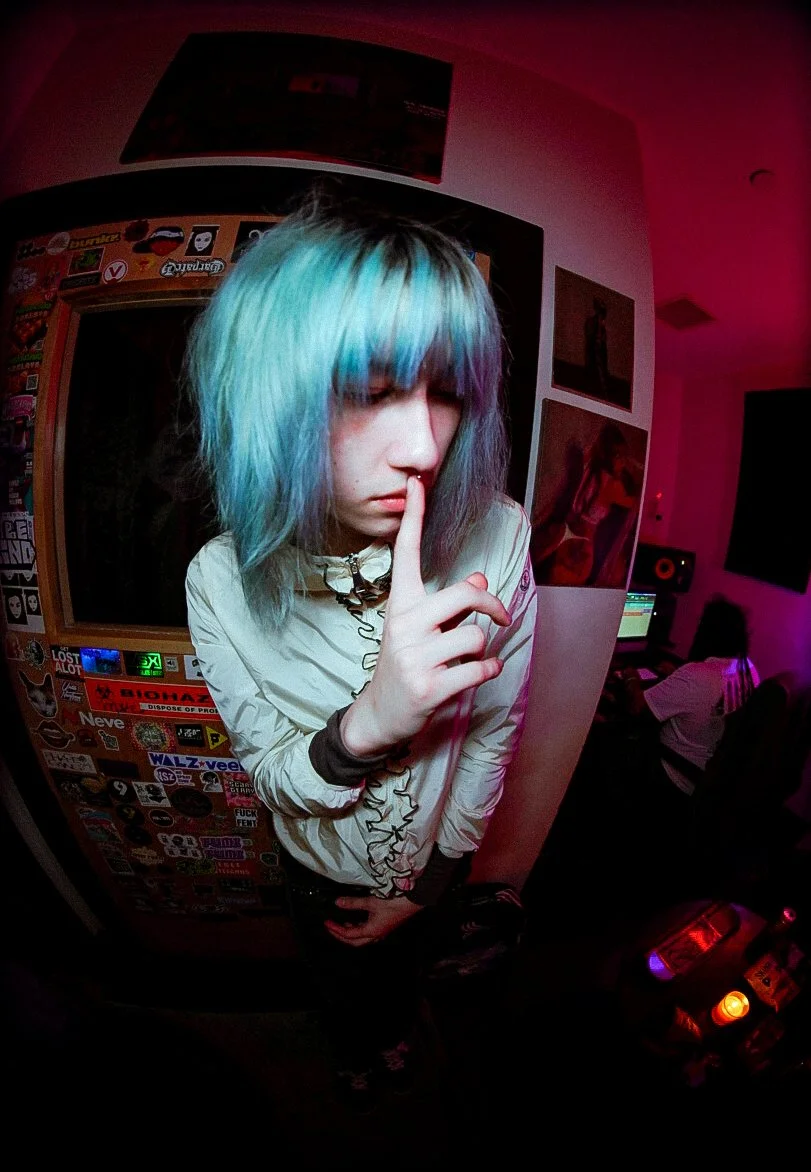
“Most of these young guys just want a place to hang out that isn’t their mom’s house,” Rudy explains.
To the new generation raised by jailbroken FL studio running on discount laptops, high-end recording equipment is the least of their concerns. Rudy keeps quality compressors and microphones on hand, but recognizes most kids today don’t need the bells and whistles to make a hit. Critically, he can admit that young producers are more in tune with the scene than anyone else, and a high-end recording engineer would likely just steer them down the wrong path.
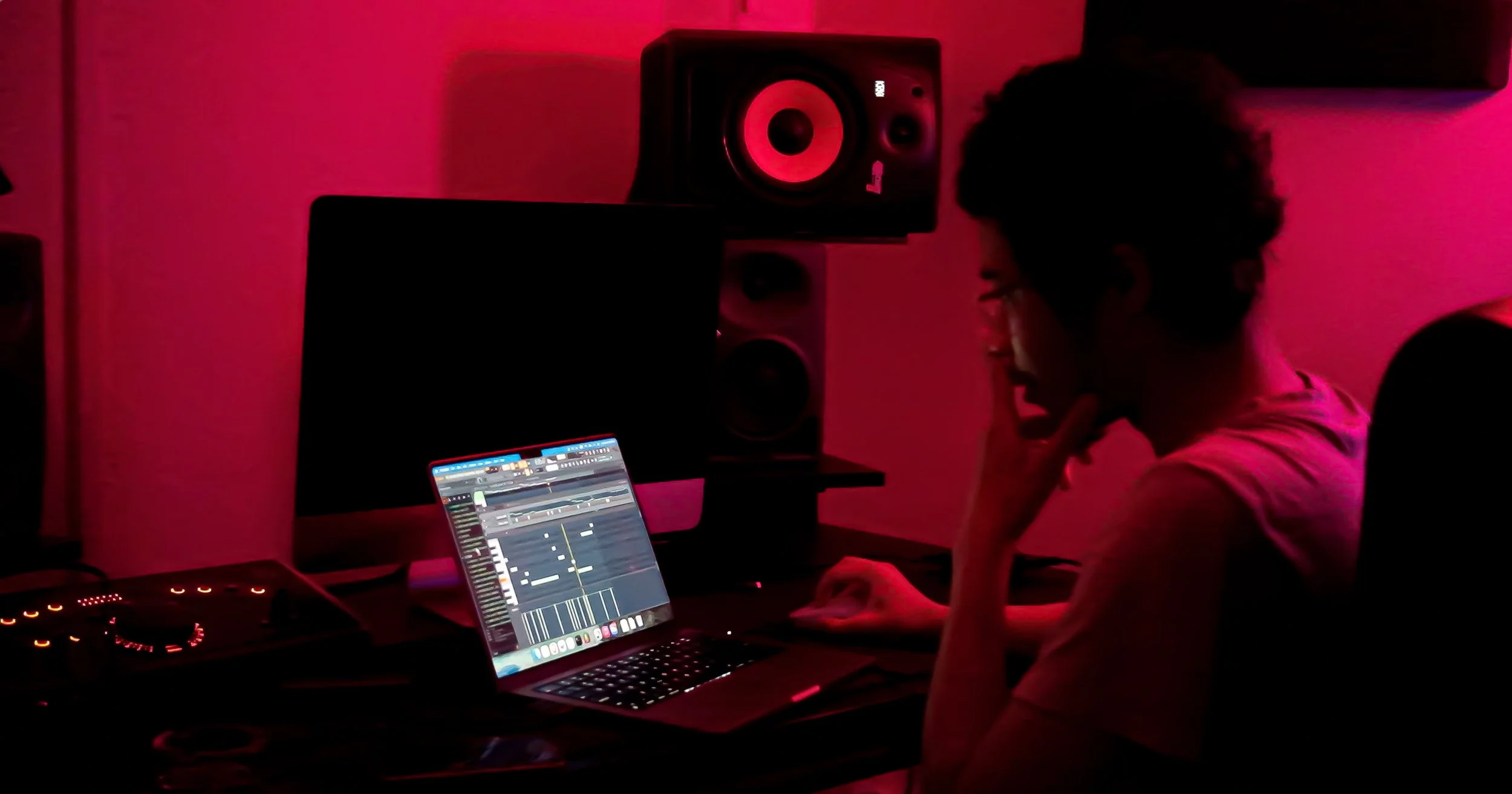
The new generation in action.
I sat with Desmos and his protege Jake Person as they tested out new beats for two visiting rappers, Yunosa and REMI XERXES, up-and-comers from Maryland and Philadelphia respectively, stopped in for a session. Yunosa just released Klash, his second full length project. The track “Omg” was produced by Desmos and wacko, its looping melody written in the narrow quarters of KRTV.
KRTV operates two rooms at their Brooklyn location, neither larger than 100 square feet. By 4PM that day we had eight guys crammed into this sound-proofed closet, passing blunts and cranking Jerk beats at 100 decibels. 808s bumping, pitchy basslines buzzing off the tight walls, everyone sweaty from moving to the beat. Rudy’s Febreze budget must be through the roof.
And still, despite the close quarters, the studio has a remarkably comfortable atmosphere. REMI specifically mentioned how personal it felt, especially compared to other budget recorded spaces. Eclectic paintings and sticker collections on the wall make it feel almost like the “Dive Bar” equivalent of studios– a place for real people, artists with day jobs, guys who know what they want and aren’t worried about a rat racing for status.
No matter what crowd you run with in New York, you’ll deal with cliques and gatekeepers– judged by the fourth-coolest person in the room to make sure you fit the mold required to stand next to them. To Desmos and crew, staying outside the forces of mainstream homogenization (and the predatory NYU stern kids who think they can run a music label), is critical to staying sane in the artists’ economy– and another thing that makes KRTV special.
In a scene as close-quarters as the hip hop underground, managers and musicians can feel the pressure to conform to a commercial sound, or even just the biggest trend in the scene currently. Rudy and KRTV studio manager Nick are hands-off when it comes to the art. They’re always there to help for technical advice, to support recording quality, but creative decisions are left to studio clients.
“If you’re an artist who wants to run a studio, you can’t make it about yourself,” Rudy explains. “it’s the people who come to visit– you have to treat everyone like rockstars.”
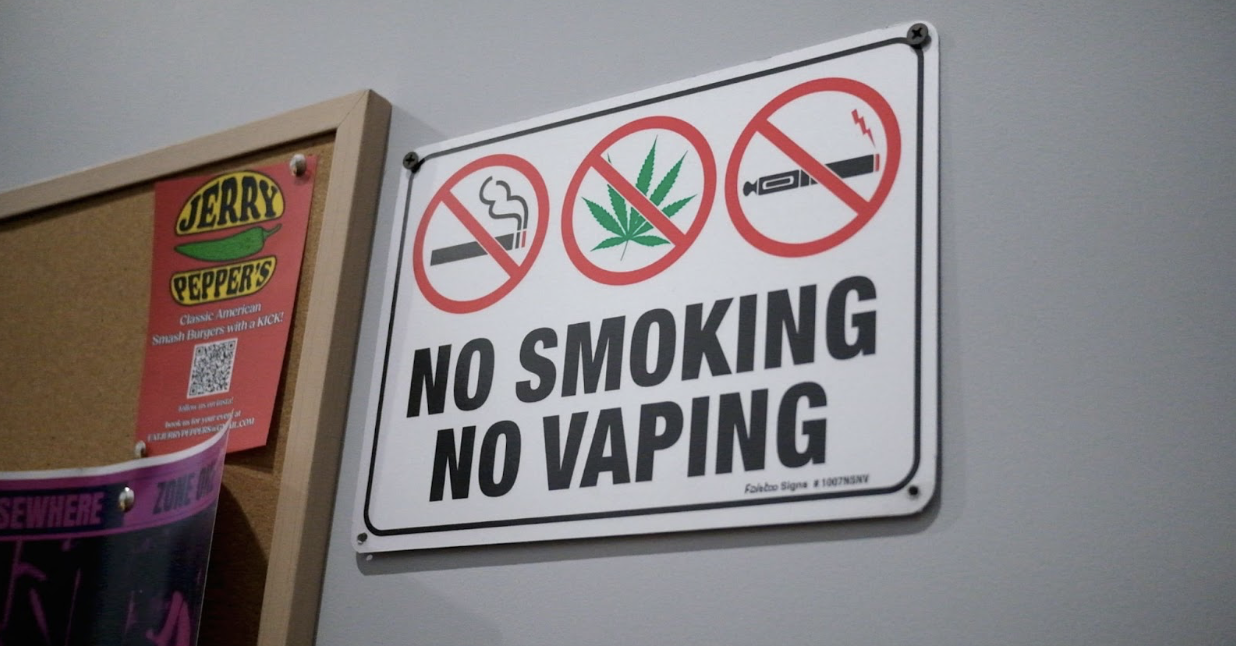
House rules.
Jake leaves the studio halfway through our session to rig a live auto-tune set up at a venue down the street. He’s there and back within the hour, and will leave again to run the autotune for the show he’s working on tonight. Location– another great attribute of KRTV. It may have been optimal to record in Midtown in the days of the Rolling Stones or even 50 Cent, underground venues, audiences, and artists have moved out of Money Making Manhattan and onto the cloudy corners of central Brooklyn. Rudy emphasizes that parking here is easy too, meaning KRTV is accessible even to musicians from far-flung corners of the tri-state area.
Rudy’s impact reaches beyond New Jersey and Connecticut, though. He’s received messages from musicians across the country, explaining their jealousy of the New York scene, and the lack of an underground community where they’re from.
“Bro I wish I had a studio in Nebraska,” Rudy says. “I would create a scene out there.” It takes time, and it takes heart, but if you put community first, anyone can do it.
A studio is more than a place to record. The best studios feel like a second home– a room where you can relax, forget about the rest of the world, and talk about your favorite King of the Hill episodes. KRTV provides musicians with quality gear and sound service, but it also services the artist’s mindset. Financially accessible and free from clout-chasing, there’s no question why KRTV is the choice for the next generation of the underground.
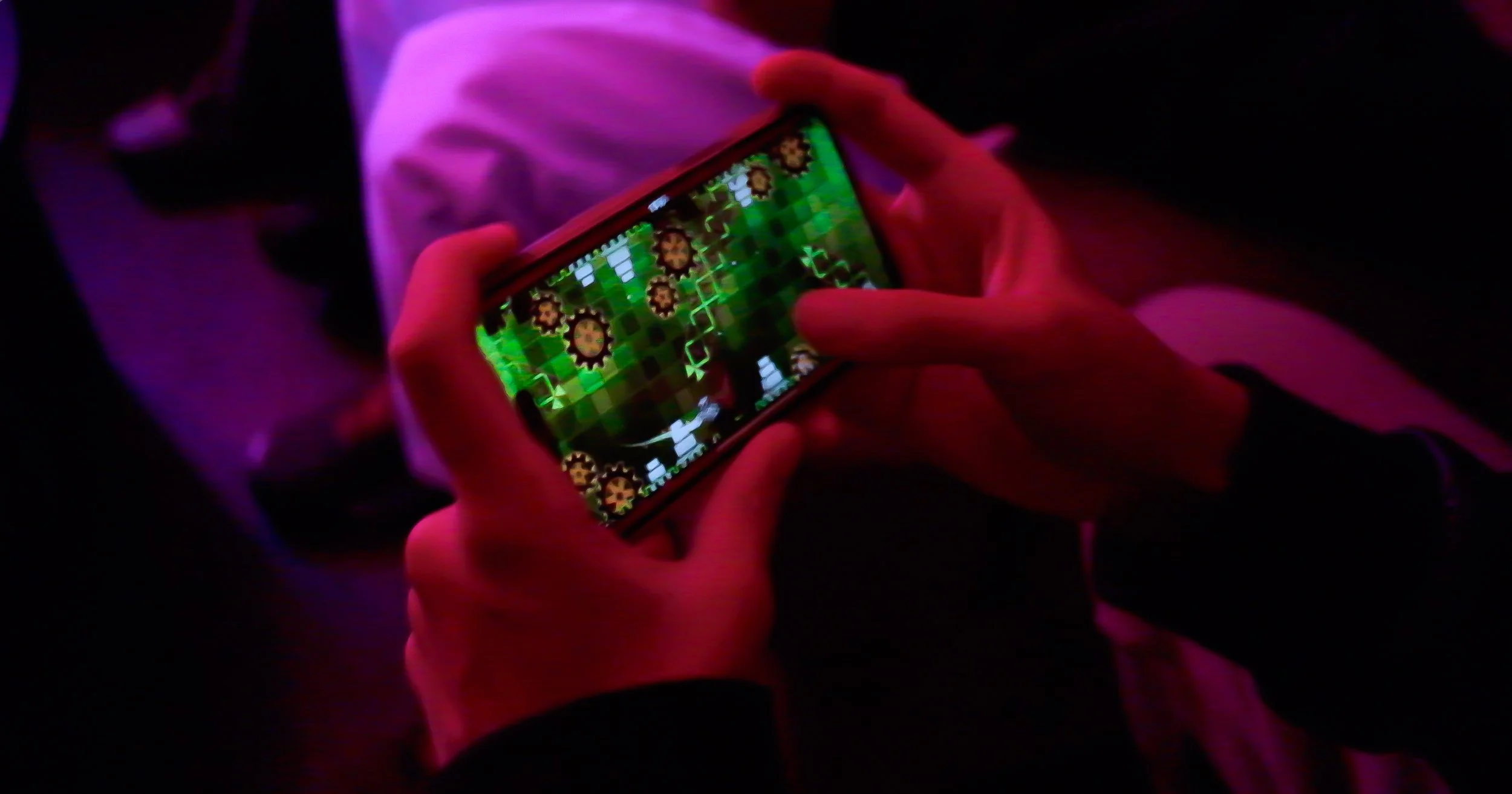
A special thank you to Rudy and the KRTV studios team for facilitating all of this!
